Did you know that a staggering 70% of UK businesses are failing to appear in AI-powered search results? If you’re still thinking in old-school SEO terms, you’re already behind the curve. The world of digital marketing is shifting beneath our feet, and Generative Search Optimisation (GSO) is the new battlefield for website visibility. This isn’t a subtle algorithm tweak: it’s a revolution driven by generative AI, AI search, and smarter generative engines. In this article, I’ll show you exactly how GSO transforms the future for SMBs in London and why adapting isn’t optional: it’s essential.
Startling Fact: The Shift from Traditional SEO to Generative Search Optimisation (GSO)
“A staggering 70% of UK businesses are failing to appear in AI-powered search results.”
For years, business owners have focused on SEO to chase the coveted blue link in Google Search. But AI search, generative AI, and new AI platforms have shifted the goalposts. Now, instead of optimising just for keywords, the most successful organisations are mastering generative engine optimisation, the art and science of getting chosen by AI-driven answer engines and generative engines that summarise, contextualise, and recommend content. Generative search optimisation (GSO) is no longer a “nice-to-have”; it’s the only way to ensure AI visibility where your future customers are searching.
Why Generative Search Optimisation (GSO) Is the Next Big Thing for UK SMBs
For small and medium businesses in London, GSO isn’t just a trend: it’s the difference between being found by AI tools and being invisible. As new AI search systems reshape how search engines process and present information, only those who understand generative AI will land in those all-important AI overviews. Forget optimising for just one search engine. Today’s smart AI platforms cross-reference, evaluate EEAT (Expertise, Experience, Authoritativeness, Trustworthiness), and preference structured information, schema markup, and authoritative content strategy. To increase leads, sales, and leads: it’s time to focus your digital marketing efforts on generative search optimisation (GSO).
What You’ll Learn About Generative Search Optimisation (GSO)
- Key differences between traditional SEO and generative search optimisation (GSO)
- The impact of generative AI and AI search on digital marketing
- Strategies to boost your site’s search results in the generative engine era
- EEAT and schema markup in generative engine optimisation
- Building visibility across multiple AI platforms and search engines
Understanding Generative Search Optimisation (GSO): A New Era for Search Engines

The search engine landscape is being fast-forwarded by the rise of generative AI models, AI systems, and AI platforms that fundamentally change how information is retrieved, summarised, and served. Where traditional SEO focused on helping people find your site via rankings and backlinks, GSO targets the preferences of generative engines that generate summaries and direct answers. This is a shift from optimising for a single blue link to creating ai-friendly, structured content that can be interpreted and re-presented across platforms. With AI search and AI overviews, your visibility depends not only on keywords but also on your content’s clarity, authority, and its compatibility with generative engine optimisation standards.
Defining Generative Search and Generative Engine
Generative search refers to the application of generative AI within search engines and ai platforms to produce rich, contextual summaries and direct responses, bypassing the old notions of static, ranked pages. A generative engine doesn’t just display a list of pages; it analyses, contextualises, and recommends information pulled from your website content, factoring in your EEAT signals and schema markup. This is where generative engine optimisation comes in: structuring content so algorithms can easily understand, summarise, and attribute your expertise. As an SMB, mastering GSO means you’ll show up in AI mode, ai overviews, and smart device searches everywhere your customers are looking.
How Generative AI Is Transforming Search Results
The shift to generative AI in AI search engines like those powering Google Search’s new overview, Microsoft Copilot, or emerging AI platforms means search results are no longer just a competition for “blue links.” Instead, users see curated, summarised, and cited information, often with conversational AI responses or answer engine-style content. This is great news for London businesses who adapt: GSO-enhanced content stands a real chance to be quoted, recommended, and cited across AI tools, voice assistants, and smart devices. If your digital marketing game leans into schema, clarity, and trust, you’re more likely to win those featured positions in the new generative engine world.
Generative Search Optimisation (GSO) vs Traditional SEO: A Comparative Table
| Feature | Traditional SEO | Generative Search Optimisation (GSO) |
|---|---|---|
| Focus | Keyword Rankings | Content Comprehension & AI Search Overviews |
| Visibility | Google Search | AI Platforms, Generative Engines |
| Tactics | Backlinks, Schema Markup | Structured, Contextual, AI-friendly Content |
| Outcome | Organic Search Results | Featured in Generative Engine Results |
Why Traditional Search and Engine Optimisation Are Losing Ground
It’s no longer enough to chase organic search results with traditional seo best practices alone. AI search and generative engines have changed the rules, prioritising context over mere keywords. Businesses relying only on backlinks and basic schema markup are missing out on ai visibility across the new landscape of ai platforms, answer engines, and smart devices. The rise of generative ai means your content must now satisfy both human readers and ai models, ensuring your expertise, authority, and trustworthiness shine through for every digital assistant, smart display, and search engine updating its logic.
The Limitations of Traditional SEO in an AI Search World
“Google’s generative engine retrieves context, not just keywords. Optimisation needs new rules.”
[Image illustrating the E-E-A-T framework: Experience, Expertise, Authoritativeness, and Trustworthiness]
Keywords: Traditional SEO ai visibility ai search, generative engine AI engines, schema markup ai overviews, Generative engine optimisation search results 
How AI Platforms and Generative Engine Optimisation Are Redefining Search Results
Smart ai platforms and evolving generative engines power the latest ai search standards, providing richer, more trustworthy answers than ever before. When a user interacts with an AI tool, it isn’t just matching keywords: it’s assessing your content strategy, understanding your topic comprehensively, and pulling highlights for ai overviews or answer boxes. In this world, engine optimisation means crafting content built for clarity, credibility, and structure, so generative ai can accurately reference your business. Companies successfully embracing GSO are winning new leads and sales, as generative engines drive web traffic to those who show genuine expertise and trust.
How Does Generative Search Optimisation (GSO) Actually Work?
GSO is more than tweaking keywords. It’s a holistic content strategy that aligns your digital presence with the requirements of ai search engines, generative ai platforms, and generative engines. Instead of chasing volume, you’re engineering your content to be digestible, citation-ready, and featured in ai overviews; all by demonstrating EEAT, leveraging schema markup, and structuring information so it’s clear to both humans and machines. Optimising for ai visibility means integrating expert content, structured data, and trust signals across every page of your website, not just those targeting high-traffic keywords.
AI Overview and the Role of Generative AI in Content Strategy
AI overviews are the new front doors to your business. Powered by generative AI, these ai responses summarise the best, most relevant content from across the web, surfacing clear, structured answers to user queries. In your content strategy, this means moving beyond lengthy blog posts toward straightforward, well-structured web pages that succinctly answer questions and showcase your expertise. Drawing on ai models and ai tools, today’s generative engines pull in content that is credible, recent, and formatted for easy contextualisation. If you want your business to get noticed in ai search, your strategy must be built for both search engines and generative ai platforms.
The Importance of AI Visibility Across Multiple AI Platforms
No longer can you focus solely on Google search. True ai visibility means ensuring your business appears in ai search across multiple ai platforms: from Bing AI to ChatGPT to emerging answer engines like Perplexity or voice-enabled smart devices. Each of these ai systems has unique algorithms, but all value structured, expert-led, and trustworthy content. By refocusing your approach towards generative engine optimisation, enhancing both technical signals (like schema markup) and content quality (with EEAT), you lay the groundwork for future-proof visibility and new digital leads no matter which ai platform becomes dominant.
Building a Future-Ready Content Strategy with Generative Search Optimisation (GSO)
It’s time to future-proof your business’s online content strategy. Traditional keyword playbooks leave you stranded in yesterday’s search world. Instead, a generative engine optimisation-driven strategy puts you in front of your next customers, whether they’re asking their phone, typing in a chatbot, or searching on a desktop. Start by reviewing how your content serves answers, expertise, and clear structure: then leverage the technical tools and best practices that ai search demands.
How to Optimise for Generative Engines and AI Search

Optimising for generative engines requires more than just updating meta tags. You need tightly structured, easily digestible content with unambiguous answers, expert author credentials, and schema markup. Start by identifying which ai platforms and devices your audience uses most and systematically adapt your site’s content for the preferences of each system. Employ clear headings, short paragraphs, and cite reputable sources within your content. To climb the new search engine ladder, prioritise insightful, comprehensive material that AI systems can trust, reference, and present confidently to their users.
Integrating Schema Markup for Enhanced Generative Engine Optimisation
Schema markup is your key to being found and featured in generative search results. By embedding structured data into your site, you make it easier for generative engines and ai platforms to parse, contextualise, and highlight your content in ai search overviews. Add schema types relevant to your services, FAQ sections, authorship, and reviews: each element boosts your ai visibility and trust. The more structured your data, the more confidently ai tools can attribute, summarise, and feature your expertise across smart assistants and voice search devices.
Why EEAT Matters in a Generative AI Search Landscape
The heart of generative engine optimisation is EEAT, Expertise, Experience, Authoritativeness, and Trustworthiness. AI search platforms and generative engines heavily assess whether your website, authors, and content exhibit these qualities before featuring you in results. Show your credentials: add bios, cite achievements, and link to industry associations. Prominently displaying EEAT signals doesn’t just earn organic trust; it assures ai models that your site is a reliable source, leading to preferential placement in ai overviews and generative ai snippets, and thus, more leads and sales for your business.
(Watch our explainer below: “What is Generative Search Optimisation (GSO)?”)
Practical Steps: How SMBs in London Can Implement Generative Search Optimisation (GSO) Now

- Audit Your Content for AI Visibility
Use audit tools to review your current website, assessing how well your content aligns with ai search and generative engine requirements. Are your answers clear, structured, and attributed? Does your site load fast, and is your navigation easy for AI tools to understand? - Identify Relevant Generative AI Platforms
Research where your audience is searching: is it Google’s AI overview, Bing’s ai search, or emerging ai systems? Find opportunities for each platform and ensure your site content suits their format. - Enhance Content with Structured Data & Schema Markup
Add schema markup for FAQs, articles, products, reviews, or local business details. Structure headings with clear intent, and ensure every answer is easily summarised or cited by ai tools and answer engines. - Focus on Expert, Authoritative, Trustworthy (EEAT) Content
Build content that highlights your subject matter expertise. Use author bios, links to industry credentials, and cite sources. - Monitor and Adapt for Changing AI Search Trends
Generative AI evolves quickly, so commit to reviewing your strategy every quarter. Watch for updates from major ai platforms, and tweak your content accordingly.
“In a world of generative engines, authority and clarity beat keyword stuffing every time.”
Thought Leadership: The Long-Term Business Value of Generative Search Optimisation (GSO)
GSO isn’t just a technical fix: it’s your chance to outpace competitors and influence your sector’s digital landscape. By investing in generative engine optimisation now, your business not only survives the current shift; it grows, building lasting authority across emerging ai platforms, ai search, and new ai systems. London SMBs that master GSO become the voices quoted, cited, and surfaced by ai tools everywhere customers seek answers online.
Position Yourself as an Authority in Digital Marketing
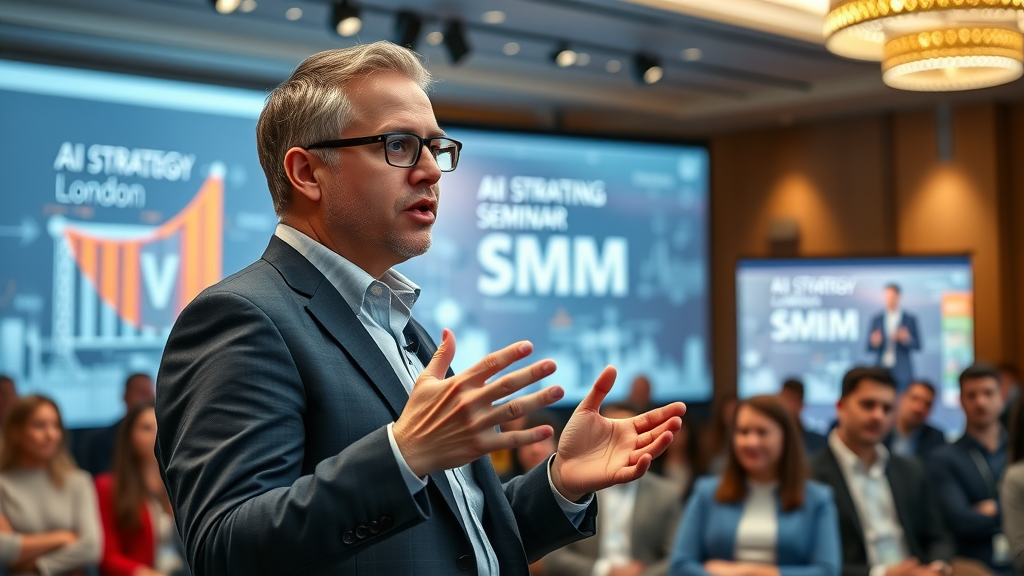
Industry authority is the new currency in digital marketing. By showcasing thought leadership in your niche, through clear, well-referenced content and authoritative commentary, you signal to generative engines and ai search platforms that you’re the go-to source. Promote your speaking engagements, webinars, or quoted contributions clearly on your website. The more evidence you provide of real-life impact, the more weight your content will carry in generative ai results and ai platforms.
Driving Leads and Sales with Next-Level Engine Optimisation
Businesses that adapt first to generative engine optimisation consistently win new leads and sales. Why? AI search and ai overviews now guide users straight to trusted answers and recommended local businesses, especially in competitive markets like London. If your content is optimised for generative search and stands out with EEAT and structured data, smart devices and chatbots will bring customers right to your door, bypassing competitors mired in old tactics.
FAQs
People Also Ask: Generative Search Optimisation (GSO)

What is generative search optimisation (GSO)?
Generative search optimisation (GSO) is the process of tailoring website content and structure to maximise visibility and performance within AI-powered, generative search engines and AI platforms. GSO goes beyond traditional SEO by focusing on satisfying algorithms that summarise, contextualise, and present information using generative AI, thereby increasing a business’s chances of appearing in modern search results.
How does generative search optimisation differ from traditional SEO?
Generative search optimisation focuses on optimising for AI-driven search engines and generative engines, which analyse and present information differently from conventional search engines. Unlike traditional SEO, which prioritises keywords and backlinks, GSO targets content structure, context, EEAT standards, and schema markup to improve ai visibility in generative ai search results.
Why do SMBs in London need generative search optimisation (GSO)?
With the UK at the forefront of digital transformation, SMBs need generative search optimisation (GSO) to remain visible in AI search and generative engine results. As generative ai and ai platforms quickly become mainstream, GSO is vital for SMBs to reach customers, increase leads, and stay ahead in competitive search engines.
FAQs: Generative Search Optimisation (GSO)
Can I do generative search optimisation myself, or do I need help?
Many foundational steps in generative search optimisation (GSO) can be tackled by diligent business owners, especially with research and the right tools. However, for maximum impact, especially when dealing with complex schema markup, cross-platform optimisation, or advanced EEAT demonstrations, working with an expert ensures your efforts align with evolving standards. As generative engines and AI search tools become more sophisticated, keeping pace can be challenging alone.
Is GSO only relevant for big companies or can SMBs in London benefit?
GSO is crucial for businesses of all sizes. In fact, SMBs with agility and niche expertise often outcompete larger rivals by quickly implementing generative engine optimisation strategies and targeting local, high-intent AI search queries. London’s crowded market rewards those who act fast and adopt new techniques early.
How quickly can I see results from switching to generative search optimisation?
Results can vary depending on your starting point, competition, and the AI platforms your audience uses. Some London businesses see improved ai visibility and lead flow within a few months of implementing GSO best practices. The key is consistent monitoring, auditing, and evolving your content to match ai search preferences.
What’s the difference between ai overview and traditional search snippets?
AI overviews, powered by generative engines, synthesise information from multiple sources to provide conversational, context-rich answers to user queries, often citing or recommending specific businesses. Traditional search snippets simply display meta-tagged summaries from individual web pages. Being featured in AI overviews requires clear, authoritative, and structured content, boosted by schema markup and EEAT.
Is search engine optimisation dead because of generative ai?
Traditional SEO isn’t dead: it’s evolving. The focus is shifting towards GSO, where content clarity, EEAT, structured data, and cross-platform optimisation matter more than ever. Businesses that keep pace with generative ai and ai search trends thrive; those who ignore them risk falling behind in both traditional and generative search results.
Key Takeaways: Winning with Generative Search Optimisation (GSO)
- Generative search optimisation (GSO) is not just the future: it’s the present for digital marketing in London
- Traditional SEO approaches are falling behind as ai search, generative engines and generative ai platforms define new rules
- Schema markup, structured content, and EEAT are must-haves for generative engine optimisation
- SMBs ready to adapt will dominate ai search and achieve superior search results in the coming years
Conclusion: Embrace Generative Search Optimisation (GSO)—Your Next Growth Engine
“Those who adapt to generative search optimisation first will win the race for online visibility—and customers.”
Embrace change, prioritise GSO, and stay ahead as your industry transforms.